I Ching Hexagrams and Their Meanings: Insights from the 8 Trigrams
64 Hexagrams
The I Ching is an ancient system of wisdom based on 64 hexagrams, each uniquely formed from combinations of 8 essential trigrams. These trigrams represent fundamental forces in nature, such as Heaven, Earth, Water, and Fire. Each hexagram offers a unique perspective on life’s transitions, providing insights into personal growth, relationships, and decision-making. Use the links below to explore the meaning of each I Ching hexagram in detail.
| ䷀ 1 |
䷁ 2 |
䷂ 3 |
䷃ 4 |
䷄ 5 |
䷅ 6 |
䷆ 7 |
䷇ 8 |
| ䷈ 9 |
䷉ 10 |
䷊ 11 |
䷋ 12 |
䷌ 13 |
䷍ 14 |
䷎ 15 |
䷏ 16 |
| ䷐ 17 |
䷑ 18 |
䷒ 19 |
䷓ 20 |
䷔ 21 |
䷕ 22 |
䷖ 23 |
䷗ 24 |
| ䷘ 25 |
䷙ 26 |
䷚ 27 |
䷛ 28 |
䷜ 29 |
䷝ 30 |
䷞ 31 |
䷟ 32 |
| ䷠ 33 |
䷡ 34 |
䷢ 35 |
䷣ 36 |
䷤ 37 |
䷥ 38 |
䷦ 39 |
䷧ 40 |
| ䷨ 41 |
䷩ 42 |
䷪ 43 |
䷫ 44 |
䷬ 45 |
䷭ 46 |
䷮ 47 |
䷯ 48 |
| ䷰ 49 |
䷱ 50 |
䷲ 51 |
䷳ 52 |
䷴ 53 |
䷵ 54 |
䷶ 55 |
䷷ 56 |
| ䷸ 57 |
䷹ 58 |
䷺ 59 |
䷻ 60 |
䷼ 61 |
䷽ 62 |
䷾ 63 |
䷿ 64 |
8 Essential Trigrams in I Ching
The trigrams are the building blocks of the 64 hexagrams in the I Ching. Each trigram consists of three lines, which can be either solid (representing Yang) or broken (representing Yin). These trigrams symbolize natural elements and represent various qualities, forces, and archetypes. Below is an introduction to each trigram:
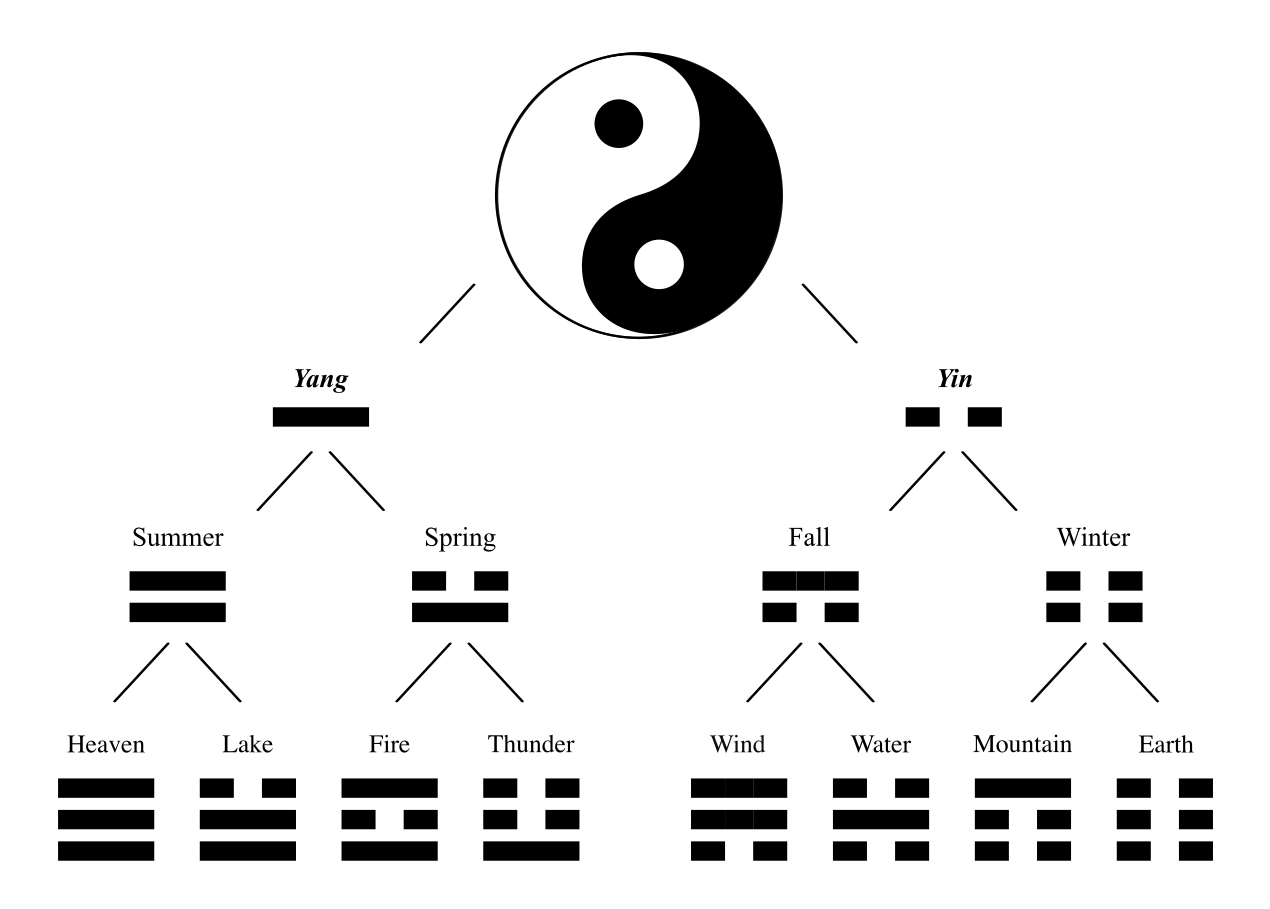
☰ Qián (Heaven)
天 · Creative
Initiating, generating, driving forward
☱ Duì (Lake)
澤 · Open
Opening, exchanging, expressing outward
☲ Lí (Fire)
火 · Radiance
Illuminating, clarifying, attaching to source
☳ Zhèn (Thunder)
雷 · Arousing
Activating, stirring, initiating movement
☴ Xùn (Wind)
風 · Penetrating
Entering, permeating, gradual influence
☵ Kǎn (Water)
水 · Depth
Descending, flowing through danger, persistence
☶ Gèn (Mountain)
山 · Stillness
Stopping, containing, holding position
☷ Kūn (Earth)
地 · Receptive
Receiving, supporting, sustaining